— LATEST PUBLICATIONS
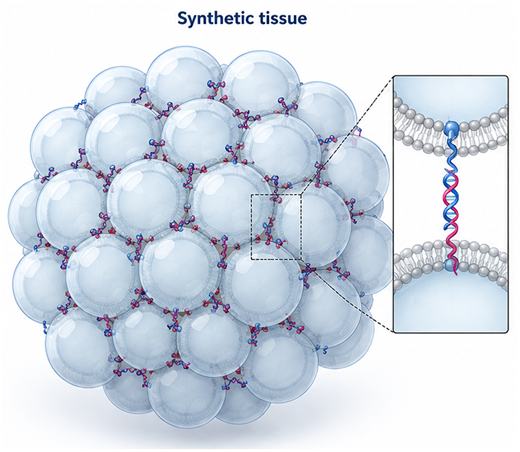
Formation of assembloids by DNA-mediated synthetic cell self-assembly
Soft Matter 22(25), 4348 (2026).
https://doi.org/10.1039/d6sm00119j
Uses DNA as a kind of molecular glue to make lab-made, cell-like droplets stick together and self-organize into larger, tissue-like clusters.
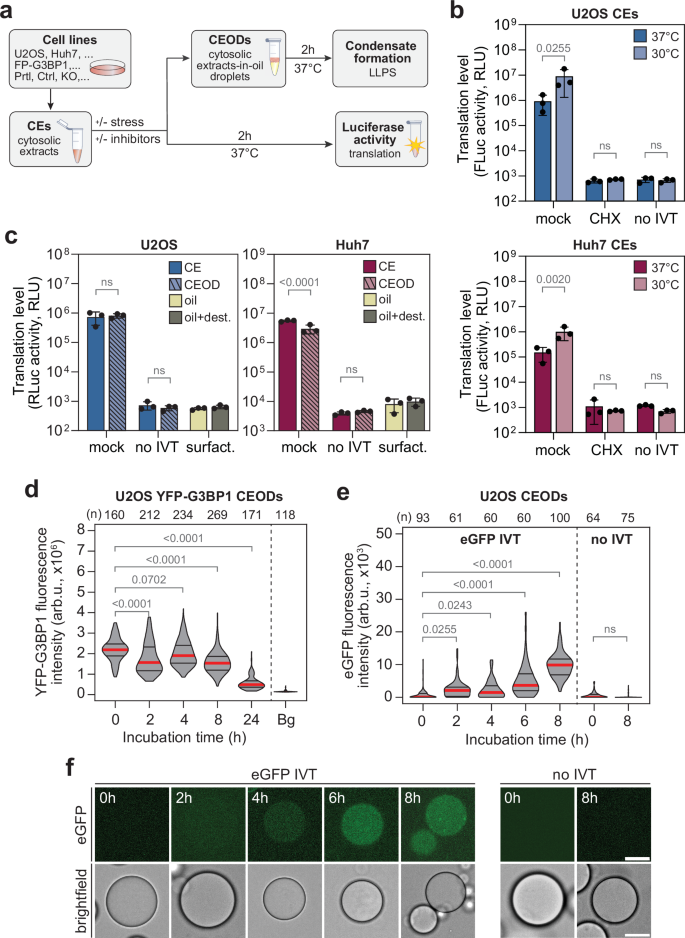
Stress granule phase separation in stress-responsive cytosolic extract-in-oil droplets
Nature Communications 17(1), 5011 (2026).
https://doi.org/10.1038/s41467-026-73936-x
Shows that stress granules — clumps of protein and RNA that cells form under stress — can be recreated and studied inside cell-free, oil-encapsulated droplets that mimic a cell's interior.
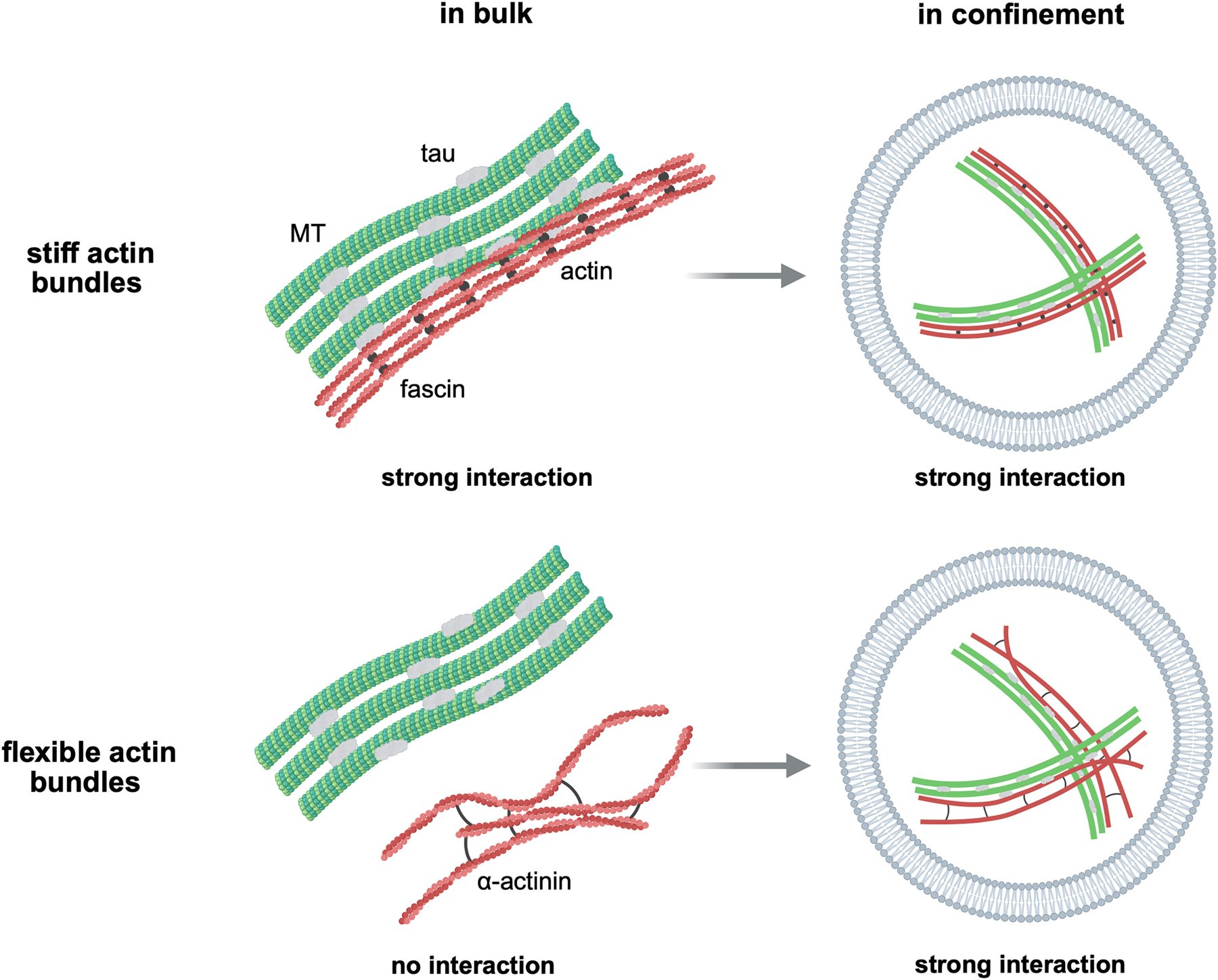
Tau as a matchmaker of the cytoskeleton
Newton 2(6) (2026).
https://doi.org/10.1016/j.newton.2026.100467
A short perspective piece on new evidence that the protein Tau, best known for its role in Alzheimer's disease, also acts as a matchmaker that links different parts of the cell's internal skeleton together.
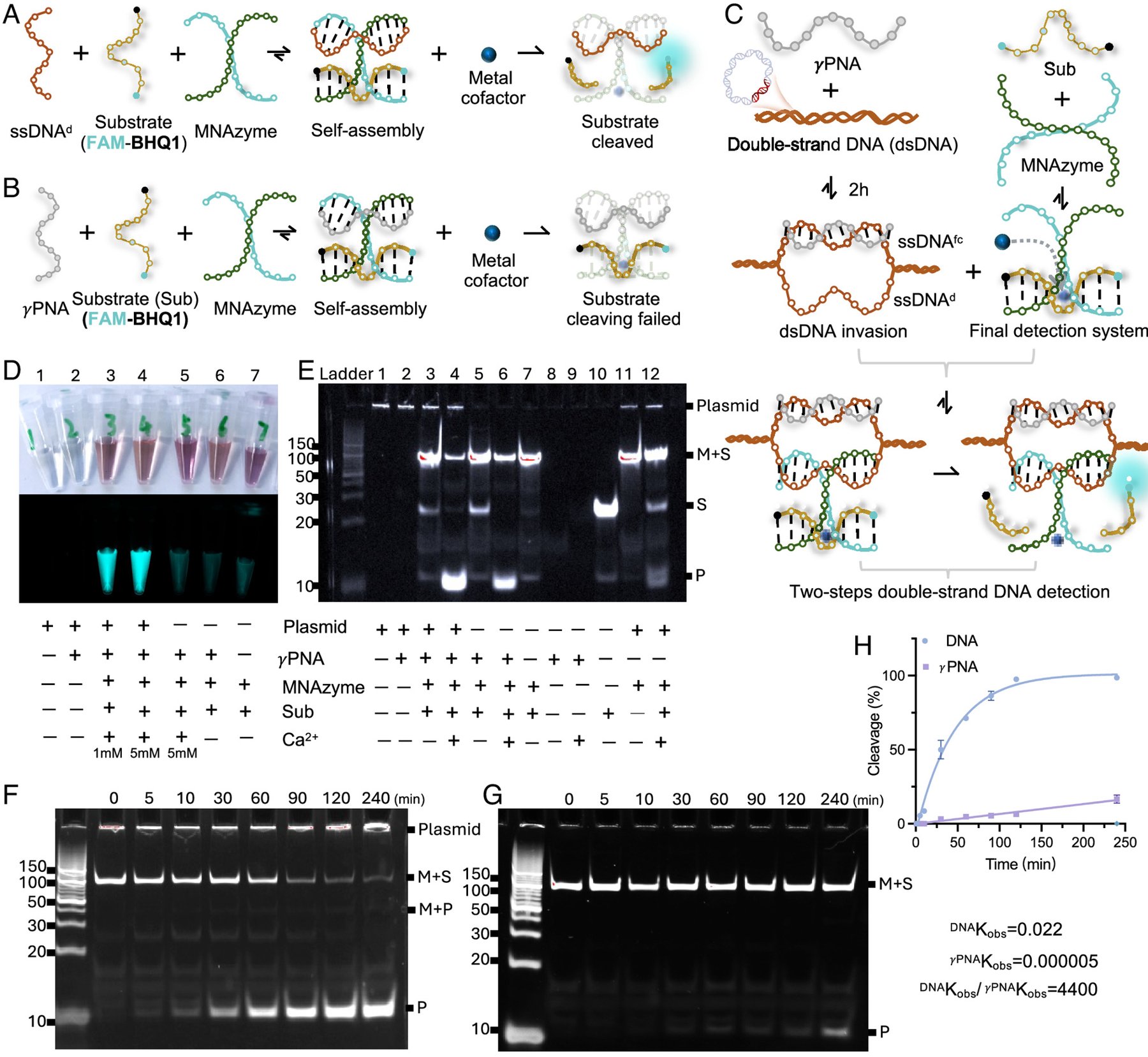
High-sensitivity, protein-independent detection of dsDNA sequences
Proceedings of the National Academy of Sciences 123(6), e2515765123 (2026).
https://doi.org/10.1073/pnas.2515765123
Develops a new, more sensitive way to detect specific DNA sequences without relying on protein-based sensors.
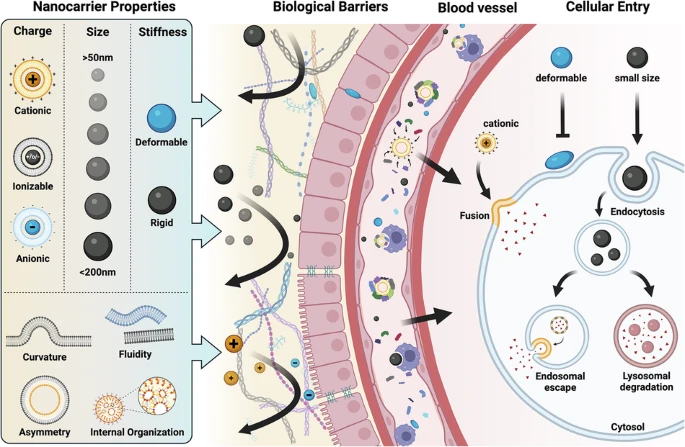
Engineering the biophysical properties of lipid nanostructures for drug delivery
Communications Materials 7(1), 25 (2026).
https://doi.org/10.1038/s43246-026-01073-5
A review of how the physical properties of lab-made lipid nanostructures — such as their stiffness and shape — can be engineered to improve drug delivery.
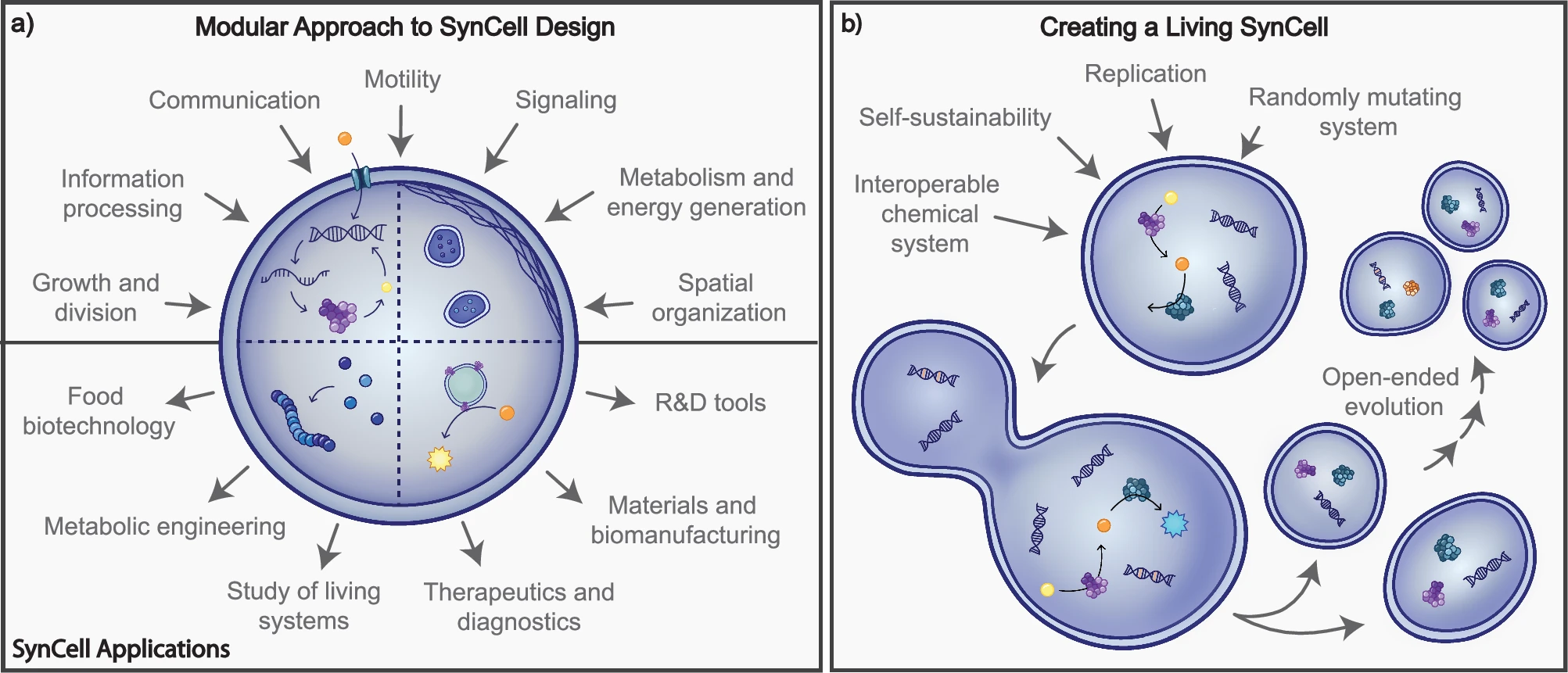
Building a Synthetic Cell Together
Nature Communications 16(1), 7488 (2025).
https://doi.org/10.1038/s41467-025-62778-8
A community-wide perspective in which leading labs outline a shared roadmap and open challenges for building a fully functional synthetic cell from scratch.
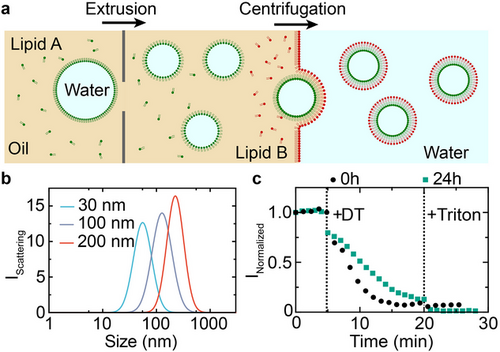
Engineering Asymmetric Nanoscale Vesicles for mRNA and Protein Delivery to Cells
Advanced Functional Materials 35(35), 2505738 (2025).
https://doi.org/10.1002/adfm.202505738
Shows that giving lab-made lipid vesicles a different composition on their inner versus outer surface makes them much better at delivering mRNA and proteins, including gene-editing machinery, into cells.
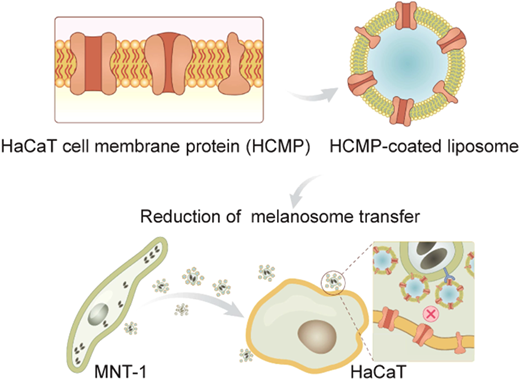
Engineering Liposomes
ACS Nano 19(25), 22988 (2025).
https://doi.org/10.1021/acsnano.5c02767
Designs liposomes coated with cell-membrane proteins that can block the transfer of pigment-containing melanosomes between skin cells, a strategy relevant to treating pigmentation disorders.
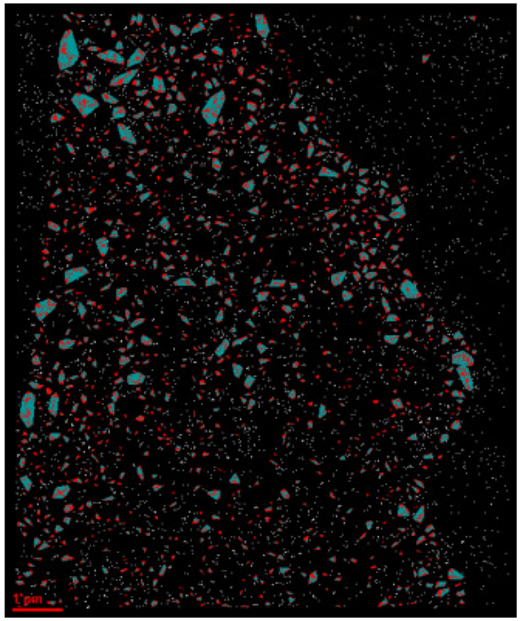
Formation of EGFRwt/EGFRvIII homo- and hetero-dimers in glioblastoma cells as detected by single molecule localization microscopy
Nanoscale 16(32), 15240 (2024).
https://doi.org/10.1039/d4nr01570c
Uses super-resolution microscopy to show how normal and mutant versions of a cancer-linked receptor protein pair up on the surface of glioblastoma brain tumor cells.
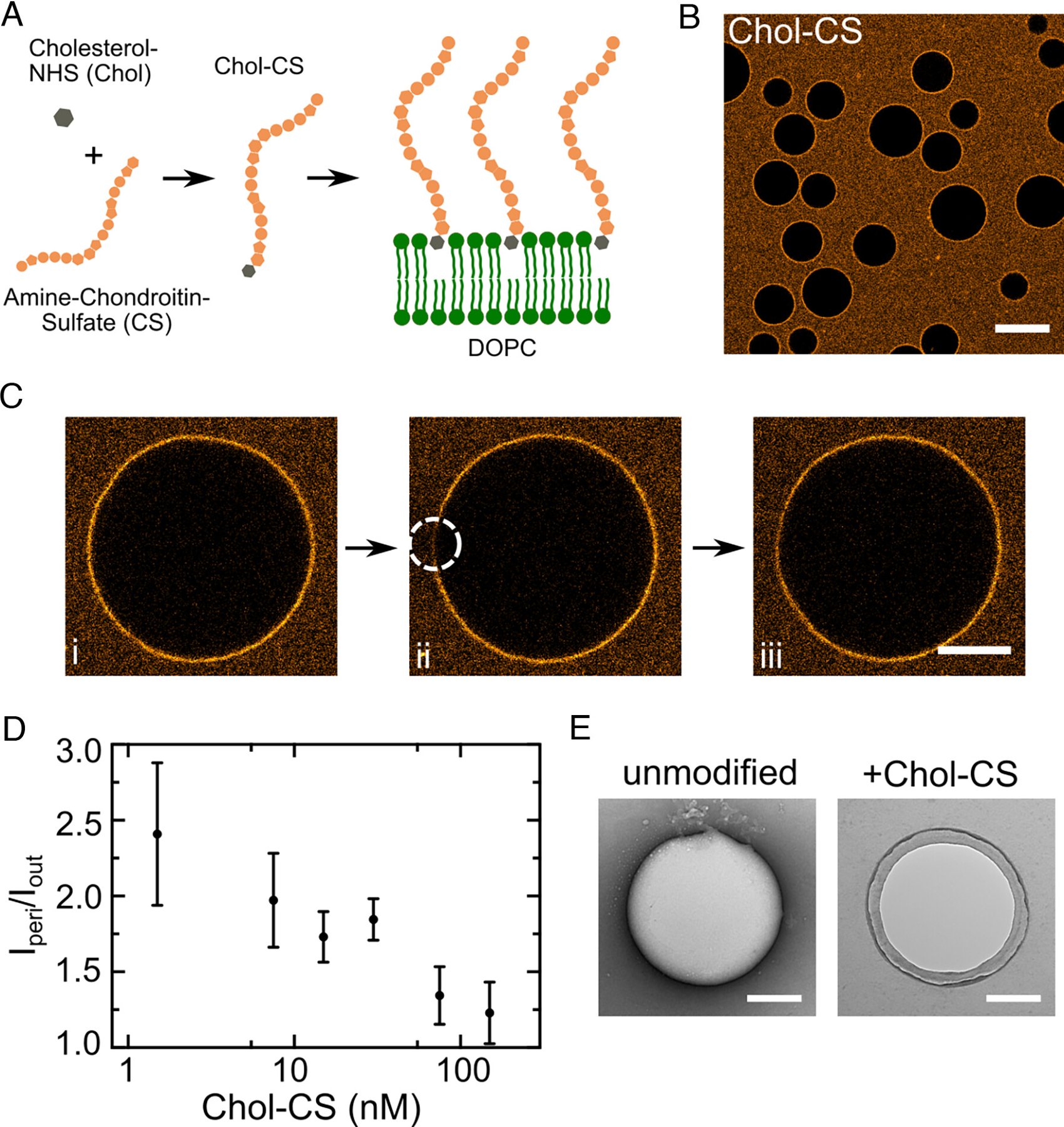
Polysaccharide functionalization reduces lipid vesicle stiffness
Proceedings of the National Academy of Sciences 121(22), e2317227121 (2024).
https://doi.org/10.1073/pnas.2317227121
Shows that coating lipid vesicles with sugar-based polymers (polysaccharides) makes their membranes softer, a property that could be tuned for drug-delivery applications.
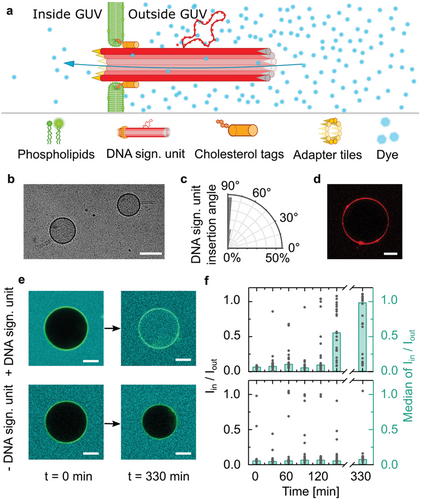
DNA Origami Signaling Units Transduce Chemical and Mechanical Signals in Synthetic Cells
Advanced Functional Materials 34(20), 2301176 (2024).
https://doi.org/10.1002/adfm.202301176
Builds tiny DNA-origami devices that can sense chemical or mechanical signals and relay them across the membrane of synthetic cells, mimicking how real cells communicate.
Membranes on the move: The functional role of the extracellular vesicle membrane for contact-dependent cellular signalling
Journal of Extracellular Vesicles 13(4), e12436 (2024).
https://doi.org/10.1002/jev2.12436
A review examining how the membrane of extracellular vesicles — tiny particles cells release to communicate — actively shapes how those vesicles signal to other cells.
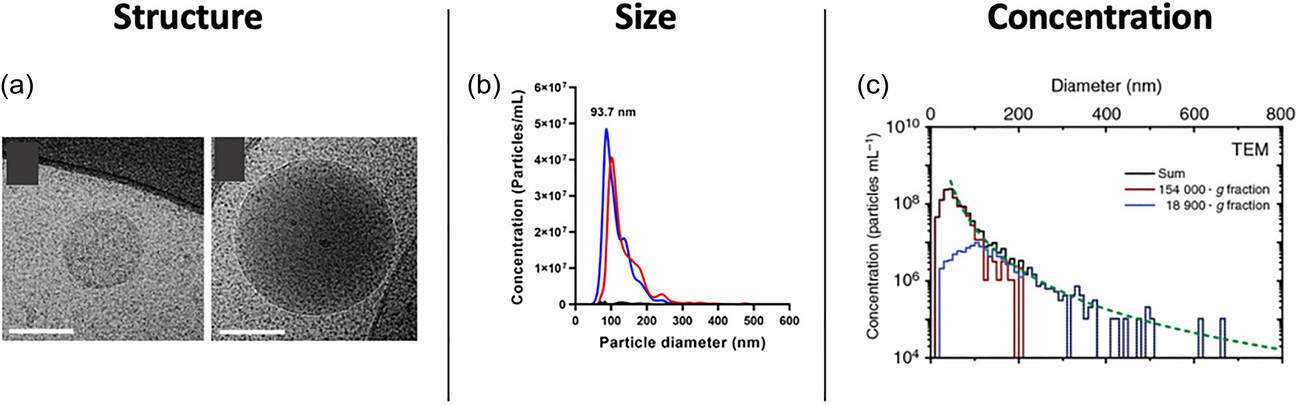
Triggered contraction of self-assembled micron-scale DNA nanotube rings
Nature Communications 15(1), 2307 (2024).
https://doi.org/10.1038/s41467-024-46339-z
Builds self-assembling rings from DNA nanotubes that can be triggered to contract, mimicking how ring-shaped protein structures help cells divide.
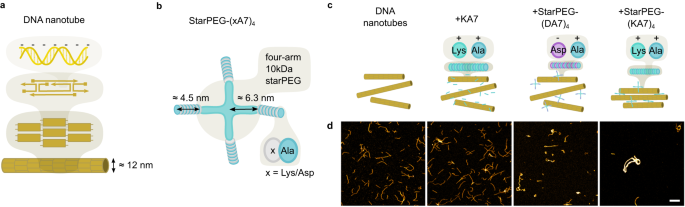
Engineering DNA-based cytoskeletons for synthetic cells
Interface Focus 13(5), 20230028 (2023).
https://doi.org/10.1098/rsfs.2023.0028
A review of how DNA nanotechnology can be used to build artificial, programmable versions of the cell's internal skeleton for synthetic cells.
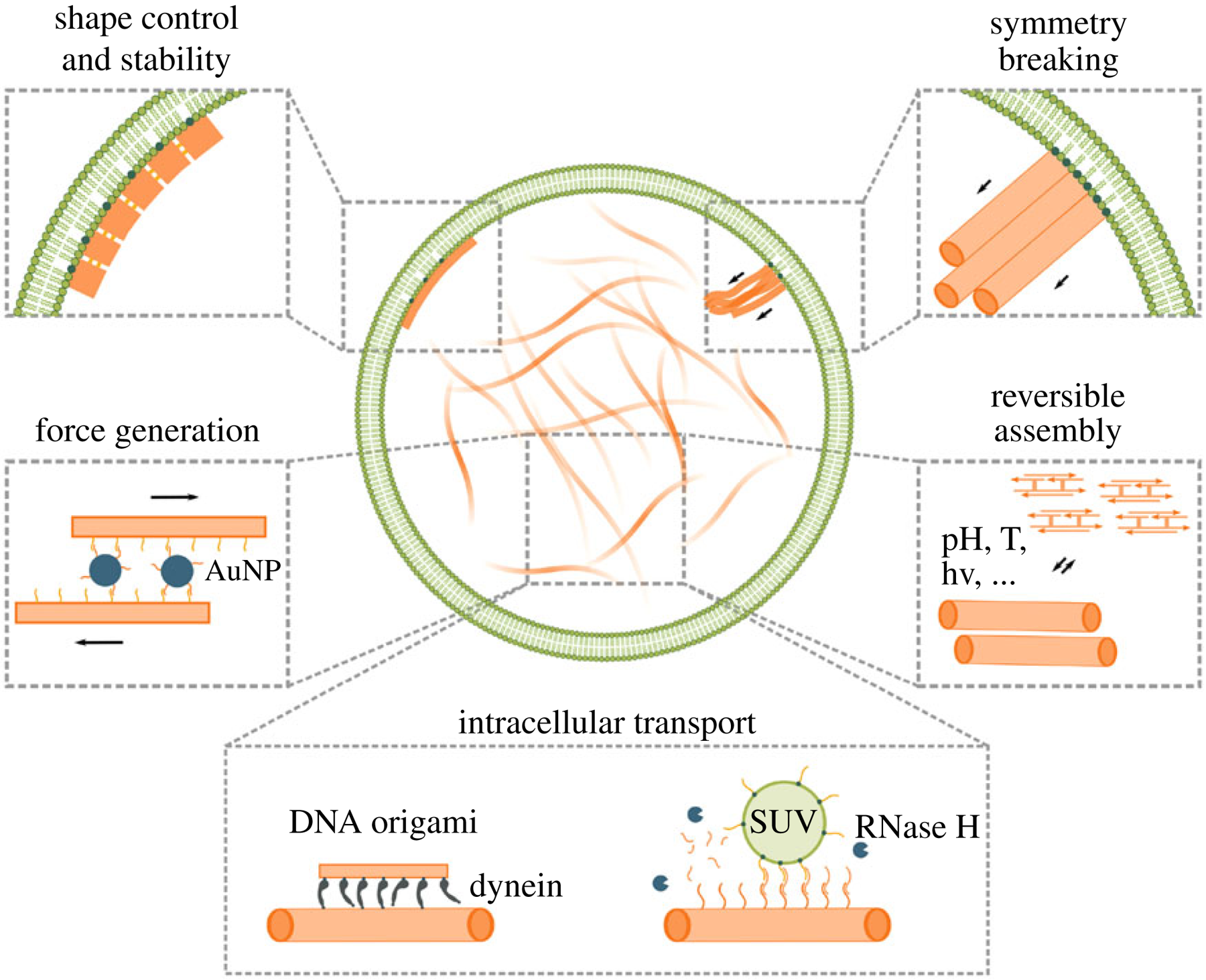
Modulating
Nano Letters 23(14), 6330 (2023).
https://doi.org/10.1021/acs.nanolett.3c00750
Shows that networks of DNA origami attached to lipid membranes can actively reshape the membrane, offering a way to control the shape of synthetic cells.
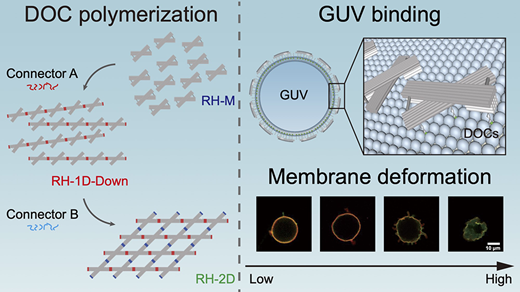
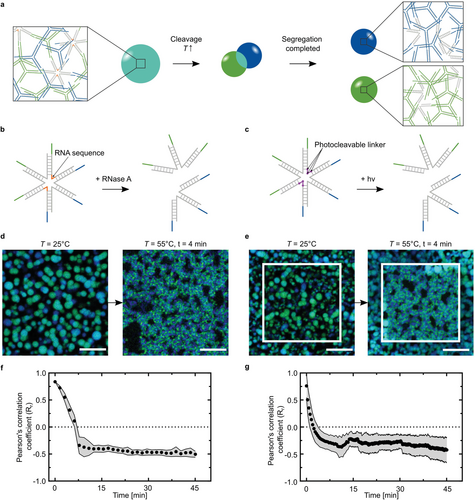
A DNA Segregation Module for Synthetic Cells
Small 19(13), 2202711 (2023).
https://doi.org/10.1002/smll.202202711
Designs a DNA-based mechanism that can sort and separate molecular cargo into different regions within a synthetic cell, mimicking how real cells organize their contents.
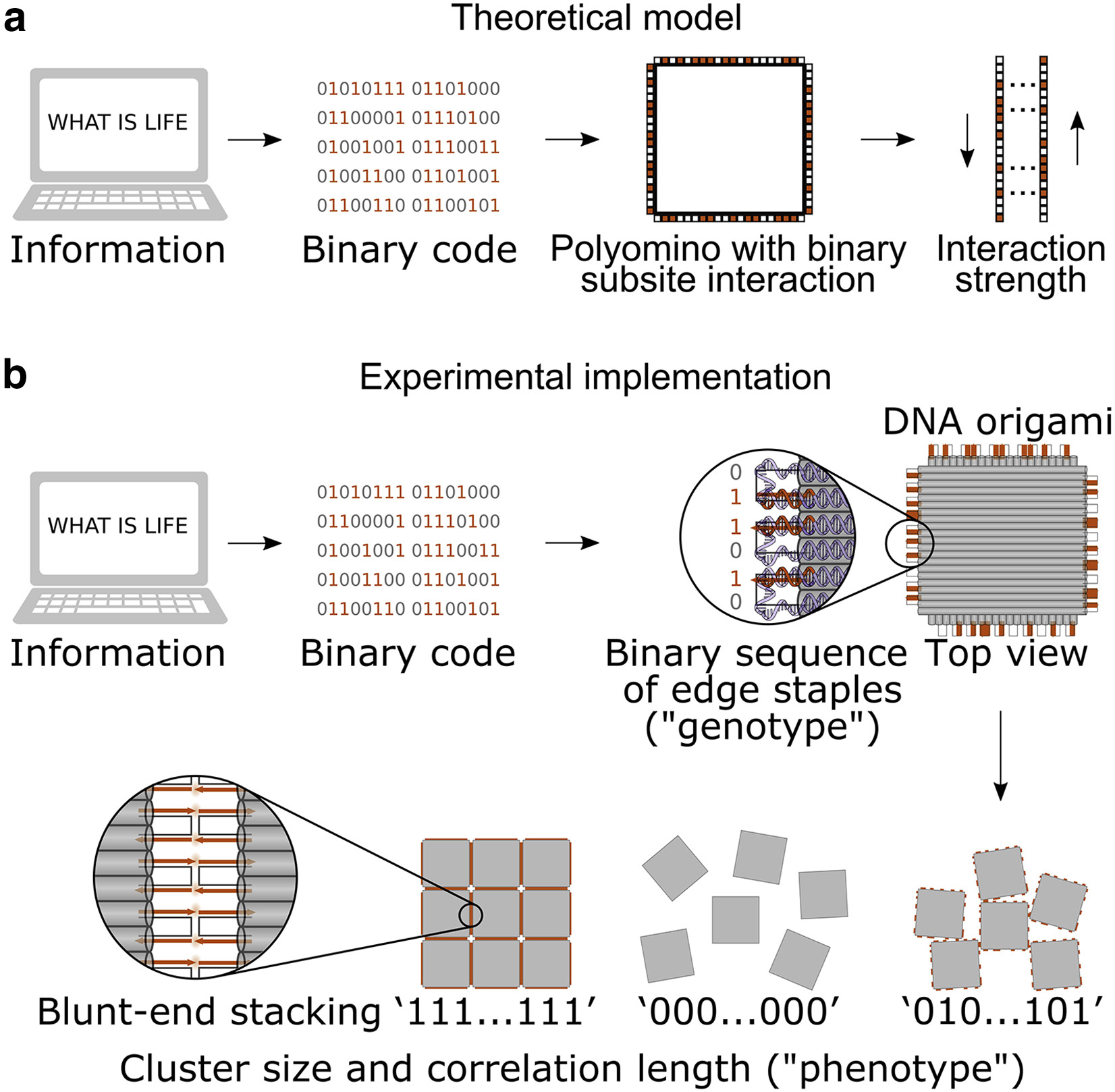
Genotype-phenotype mapping with polyominos made from DNA origami tiles
Biophysical Journal 121(24), 4840 (2022).
https://doi.org/10.1016/j.bpj.2022.09.006
Uses DNA-origami building blocks that self-assemble into different shapes to study how a molecule's design determines the structure it forms.
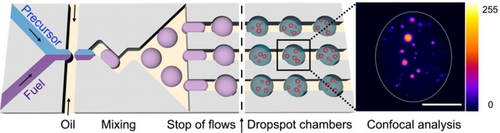
Evolution and Single-Droplet Analysis of Fuel-Driven Compartments by Droplet-Based Microfluidics
Angewandte Chemie International Edition 61(32), e202203928 (2022).
https://doi.org/10.1002/anie.202203928
Tracks individual, chemically fuelled liquid droplets over time to study how they grow, shrink, and evolve, a step toward understanding the origins of cell-like compartments.
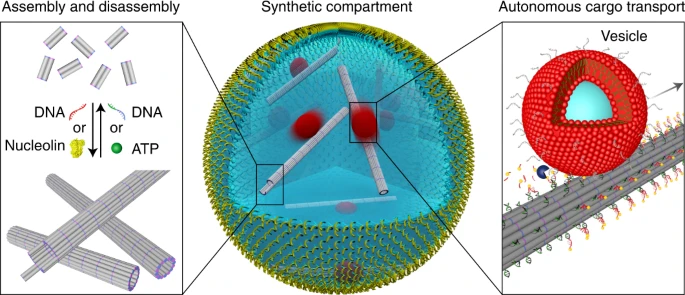
Functional DNA-based cytoskeletons for synthetic cells
Nature Chemistry 14(8), 958 (2022).
https://doi.org/10.1038/s41557-022-00945-w
Builds an artificial, DNA-based version of the cell's internal skeleton that can be dynamically assembled and disassembled inside synthetic cells; this work was also highlighted as a research highlight in Nature.
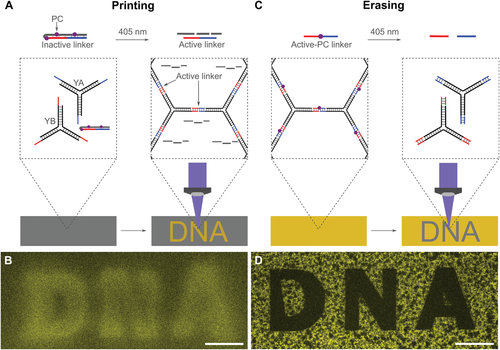
Printing and Erasing of DNA-Based Photoresists Inside Synthetic Cells
Advanced Functional Materials 32(25), 2200762 (2022).
https://doi.org/10.1002/adfm.202200762
Develops a light-controlled method to draw and erase DNA-based patterns inside synthetic cells, similar to a reusable, light-activated ink.
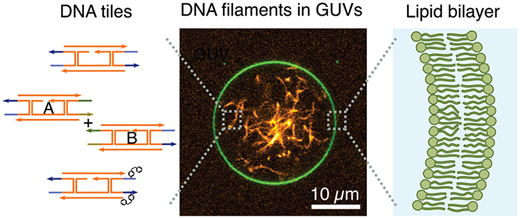
Bottom-Up
ACS Nano 16(5), 7233 (2022).
https://doi.org/10.1021/acsnano.1c10703
Builds synthetic cells from the ground up using a DNA-based internal skeleton, demonstrating a key step toward fully artificial, cell-like systems.
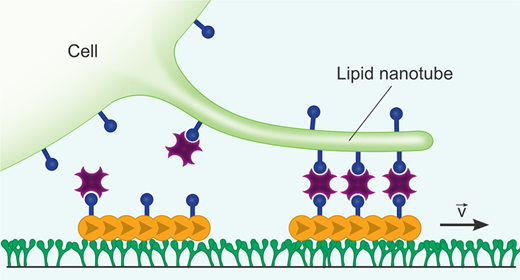
Actomyosin-Assisted Pulling of Lipid Nanotubes from
Nano Letters 22(3), 1145 (2022).
https://doi.org/10.1021/acs.nanolett.1c04254
Shows that a reconstituted version of the cell's own molecular motors (actin and myosin) can pull thin membrane tubes out of both lipid vesicles and living cells.
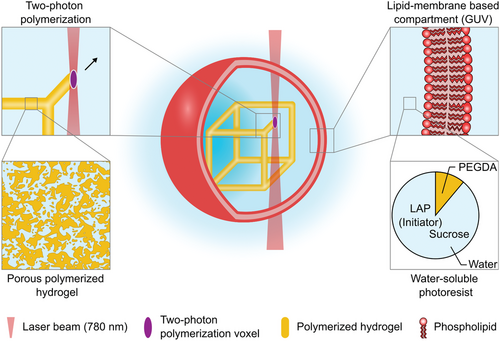
Two-Photon 3D Laser Printing Inside Synthetic Cells
Advanced Materials 34(6), 2106709 (2022).
https://doi.org/10.1002/adma.202106709
Uses a precise laser-printing technique to build tiny 3D structures directly inside synthetic cells, allowing fine control over their internal architecture.
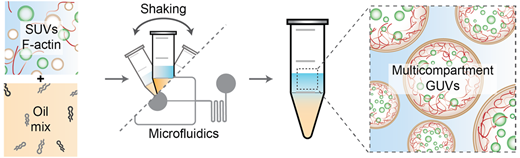
pH-Triggered Assembly of Endomembrane Multicompartments
ACS Synthetic Biology 11(1), 366 (2022).
https://doi.org/10.1021/acssynbio.1c00472
Uses changes in acidity as a trigger to assemble multiple nested compartments inside synthetic cells, mimicking the internal membrane organization of real cells.
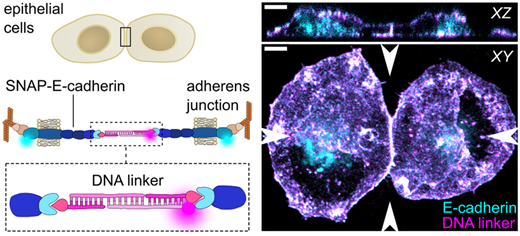
Tuning Epithelial Cell–Cell Adhesion and Collective
Nano Letters 22(1), 302 (2022).
https://doi.org/10.1021/acs.nanolett.1c03780
Creates DNA-based linker molecules that mimic natural cell-adhesion proteins, allowing researchers to precisely tune how strongly neighboring cells stick together.
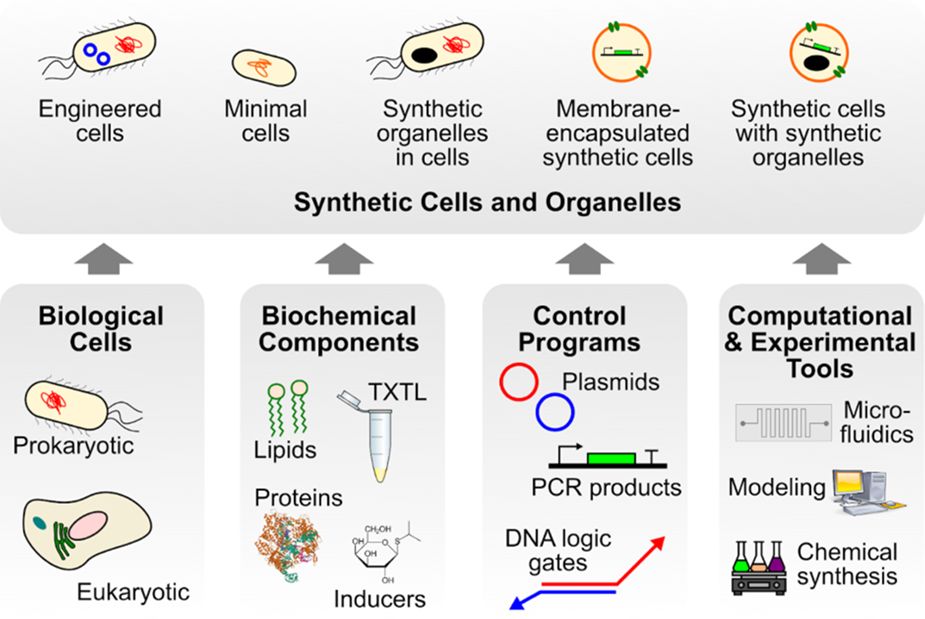
Building a community to engineer synthetic cells and organelles from the bottom-up
eLife 10, e73556 (2021).
https://doi.org/10.7554/eLife.73556
A community perspective piece proposing shared goals, standards, and collaborations to advance the field of building synthetic cells and organelles from scratch.
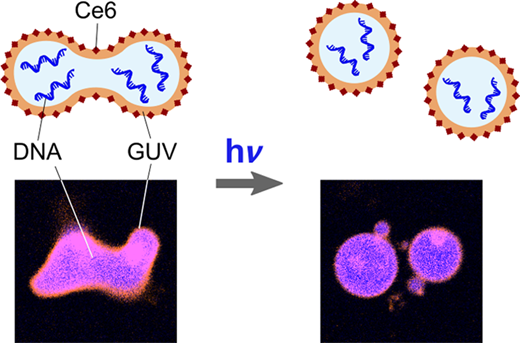
Light-Triggered Cargo Loading and Division of DNA-Containing
Nano Letters 21(14), 5952 (2021).
https://doi.org/10.1021/acs.nanolett.1c00822
Shows that shining light on DNA-containing lipid vesicles can trigger them to take up cargo and then divide into two daughter vesicles.
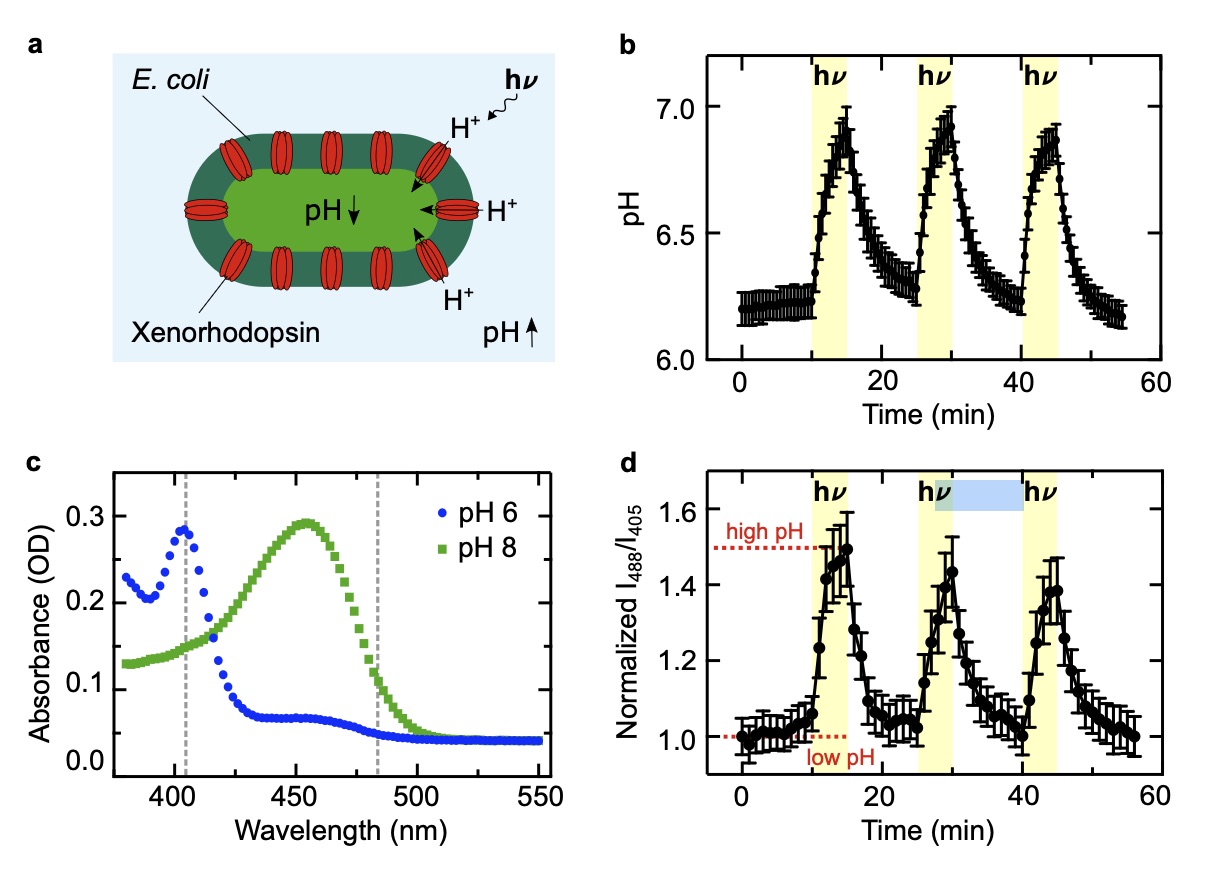
Proton gradients from light-harvesting E. coli control DNA assemblies for synthetic cells
Nature Communications 12(1), 3967 (2021).
https://doi.org/10.1038/s41467-021-24103-x
Engineers light-powered bacteria to generate chemical gradients that can be used as an internal power source to control DNA-based machinery inside synthetic cells.
Division and Regrowth of Phase-Separated Giant Unilamellar Vesicles
Angewandte Chemie International Edition 60(19), 10661 (2021).
https://doi.org/10.1002/anie.202014174
Shows that giant lipid vesicles with two separated membrane regions can be triggered to divide and then regrow, mimicking a basic step of cell reproduction.

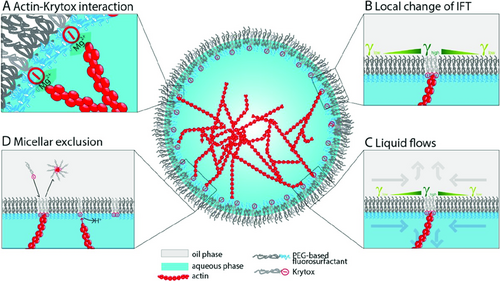
Autonomous Directional Motion of Actin-Containing Cell-Sized Droplets
Advanced Intelligent Systems 3(5), 2000190 (2021).
https://doi.org/10.1002/aisy.202000190
Builds cell-sized droplets containing an actin cytoskeleton that can move on their own in a consistent direction, a step toward self-propelled synthetic cells.
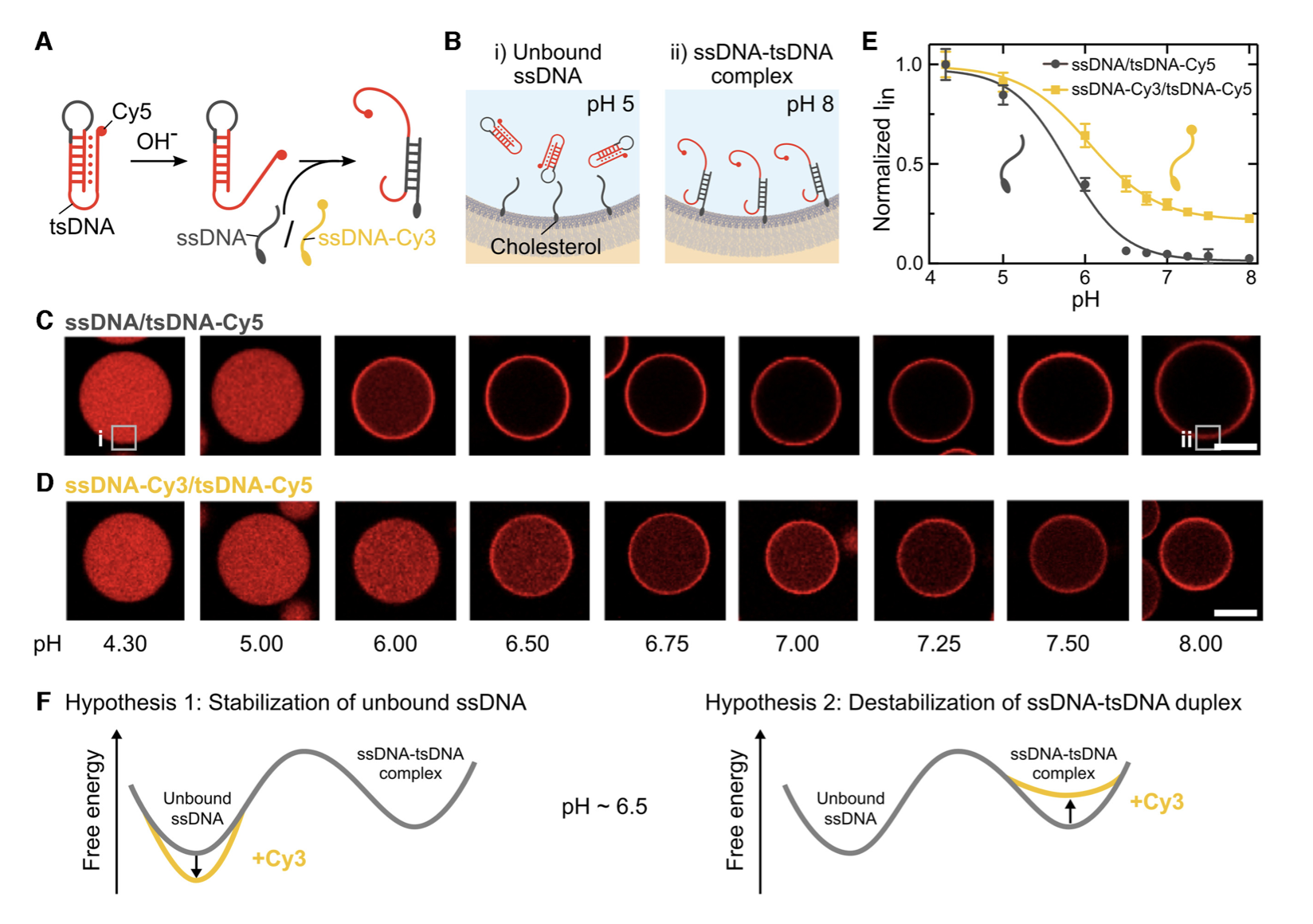
Choice of fluorophore affects dynamic DNA nanostructures
Nucleic Acids Research 49(7), 4186 (2021).
https://doi.org/10.1093/nar/gkab201
Reveals that the specific fluorescent dye attached to a DNA nanostructure can unexpectedly change how that structure moves and behaves, an important caveat for the field.
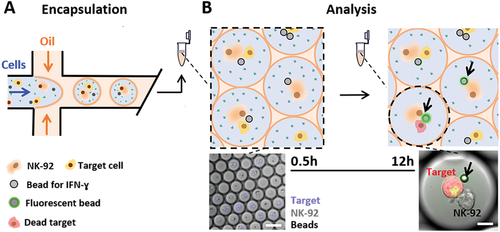
Droplet-Based Combinatorial Assay for Cell Cytotoxicity and Cytokine Release Evaluation
Advanced Functional Materials 30(46), 2003479 (2020).
https://doi.org/10.1002/adfm.202003479
Develops a droplet-based microfluidic platform to rapidly test many combinations of compounds at once for their toxicity to cells and effects on immune signaling.
Engineering Light-Responsive Contractile Actomyosin Networks with DNA Nanotechnology
Advanced Biosystems 4(9), 2000102 (2020).
https://doi.org/10.1002/adbi.202000102
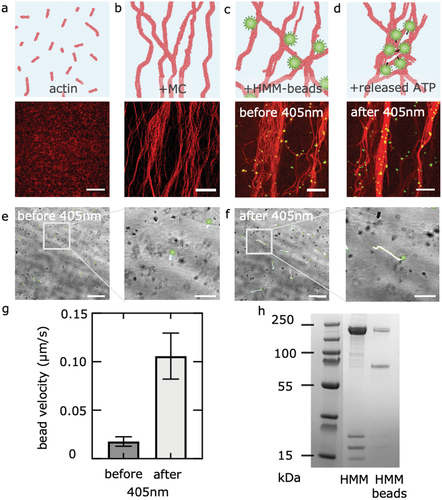
Combines DNA nanotechnology with the cell's own contractile actin-myosin machinery to build networks inside synthetic cells that contract in response to light.
An Integrated Microfluidic Platform for Quantifying
Molecular Pharmaceutics 16(6), 2494 (2019).
https://doi.org/10.1021/acs.molpharmaceut.9b00086
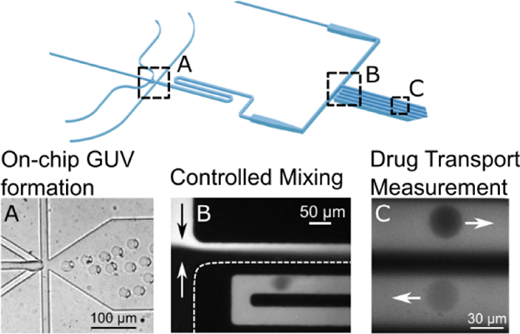
Builds a microfluidic device that measures how efficiently different drug molecules pass through lipid membranes designed to mimic real cell membranes.
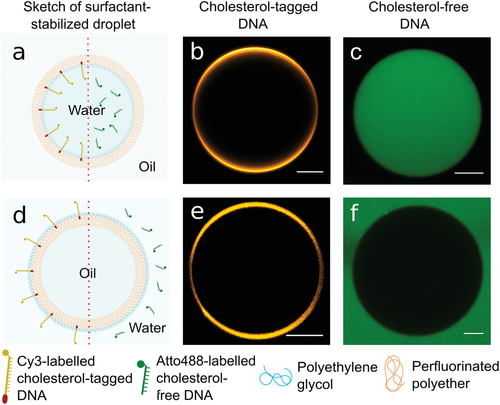
Programmable Functionalization of Surfactant-Stabilized Microfluidic Droplets via DNA-Tags
Advanced Functional Materials 29(23), 1808647 (2019).
https://doi.org/10.1002/adfm.201808647
Uses short DNA tags to selectively attach different molecules to the surface of microfluidic droplets, allowing their surface chemistry to be programmed.